


Everything You Need To Know About Coconuts & Nutrition
Coconut Nutrition
Coconuts are one of the most nutritious of all fruits, but unfortunately, in the United States, they are also one of the most overlooked. Coconuts are not a traditional part of the American diet, but have been a staple food to many populations, such as island and Asian cultures, for centuries.
Coconuts: Young versus Mature (Which is Better)
There are several different ways to enjoy fresh coconuts, which can be young or mature. Young coconuts have either a green shell or a white “husk” if the outer shell has been removed, while mature coconuts are the more familiar-looking brown, hairy variety. The nutrients and physical characteristics change as a coconut matures. Young coconuts have more ‘water’ and soft, gel-like meat, and mature coconuts have firm meat and less ‘water.’ The nutrient values per 100-gram (edible) portion vary significantly, as you can see in the chart below.
Source: Secretariat of the Pacific Community
Minerals contained in one cup of raw, Shredded Coconut
Contains 7.2 grams of dietary fiber and 2.66 grams of Protein. 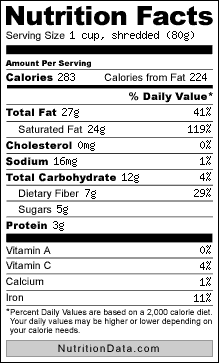
Potassium 285 mg Phosphorus 90 mg Calcium 11 mg Magnesium 26 mg Iron 1.94 mg Sodium 16 mg Manganese 1.2 mg Zinc 0.88 mg Copper 0.348 mg Selenium 8.1 mcg **Also contains trace amounts of other minerals.
Coconut Milk, Juice and Oil: What’s the Difference?
Most people think that coconut milk is the liquid inside the coconut, but this is not the case. The liquid inside the coconut is known as coconut water or juice, and coconut cream is made from pressing the coconut meat. Coconut milk is made from the expressed juice of grated coconut meat and water.
Coconut oil, on the other hand, is the fatty oil that comes from the coconut meat. It’s important to note that coconut oils on the market vary dramatically in terms of quality. Low-quality coconut oils, which should be avoided, are processed by chemical extraction, using solvent extracts, which produce higher yields and are quicker and less expensive. However, the oils contain chemical residues, and many are also hydrogenated, bleached, and deodorized.
High-quality coconut oil is a completely different product and is truly the healthiest oil you can consume. It is a much safer alternative to other popular oils such as canola oil, where most of its omega-3s are transformed into trans-fats during the deodorization process, which increases the dangers of chronic diseases.
Because of these drastic variations, my team and I here researched coconut oil extensively until we found the ideal source. I now highly recommend and offer you what is clearly the premier brand of virgin coconut oil in the United States, Tropical Traditions.
This virgin coconut oil is not only certified organic, but it also meets all our other requirements, including no GMO ingredients, bleaching, deodorizing, refining or hydrogenation. Tropical Traditions also uses fresh coconuts (not “copra” or dried coconuts like most oils) that come from a rural region of the Philippines untainted by urban pollution.
If you do choose another brand of coconut oil, please be sure that it meets these requirements. (How Coconut Oil Works For Thyroid)
Which Type of Coconut is Best?
Coconut can be safely added to most everyone’s diet, but to determine which type of coconut is best for you, you’ll need to determine your metabolic type. Young coconuts are good for most people, but are particularly good for carb and mixed types. Mature coconuts, on the other hand, are best for protein types.
Similarly, protein types will likely enjoy the firm meat and coconut cream from the mature coconut, while carb and mixed types will tend to naturally prefer the juice.
Coconut Health Benefits
Coconuts can add flavor, variety, and–best of all–healthy nutrients to your diet. Coconuts are rich in lauric acid, which is known for being antiviral, antibacterial, and antifungal, and boosts the immune system.
Fresh coconut juice is one of the highest sources of electrolytes known to man, and can be used to prevent dehydration, for instance, in cases of diarrhea or strenuous exercise, instead of a sports drink. Some remote areas of the world even use coconut juice intravenously, short-term, to help hydrate critically ill patients and in emergency situations.
Other health benefits of coconuts and coconut oil include:
• Help you lose weight or maintain your already good weight
• Reduce the risk of heart disease
• Lower your cholesterol
• Improve conditions in those with diabetes and chronic fatigue
• Improve Crohn’s, IBS, and other digestive disorders
• Prevent other diseases and routine illnesses with its powerful antibacterial, antiviral, and antifungal agents
• Increase metabolism and promotes healthy thyroid function
• Boost your daily energy
• Rejuvenate your skin and prevent wrinkles
• Where can I Find Coconuts?
More Benefits Of Coconut Oil Plus Video
Where to Buy Coconuts? Your Ultimate Guide
All coconuts are not the same, and neither are the places you can buy them! Whether you’re after young green coconuts for their water or mature brown coconuts for their rich meat, here are a few suggestions.
1. Try Local Grocery Stores First
Most U.S. supermarkets now stock both green and brown coconuts (check the produce section near other tropical fruits). Kitchen tip: Shake them first before your purchase, you should hear liquid sloshing inside! If not, the coconut water inside is most likely dried up and the coconut meat is no longer edible.
2. Ethnic Markets will be your best bet.
For the freshest picks and widest selection, visit these types of stores:
-
Asian grocery stores: (often carry Thai varieties)
-
Latino markets: (look for cocos verdes or cocos maduros)
-
Middle Eastern shops: (perfect for dried coconut)
3. Farmers’ Markets & Health Food Stores
Small farms in warm states (Florida, California, Hawaii) often sell locally harvested coconuts—sometimes even straight from the tree!
4. Online (For the Coconut-Curious)
Can’t find them locally? Websites like FloridaCoconut.com, Tropical Fruit Box.com, or Nauti Coconut.com ship fresh coconuts nationwide.
Bonus: Some health food stores sell packaged shredded coconut, coconut chunks, coconut water, or even sprouted coconuts