


Buy Coconuts Store
Here You Can Buy A Coconut For Cooking, Eating or Drinking!
Just Crack It Open And Eat!
How To Crack Open A Coconut Video
Step-by-Step Instructions on how to open a coconut
Buy Fresh Green Water Coconuts
Unpeeled Coconuts weigh 4-5 pounds, and peeled coconuts weigh 1-2 pounds each. They are picked fresh each day and are shipped via UPS directly from Palm Beach, Florida. Buy a coconut from our coconut store as a gift, decoration, or for cooking. There’s nothing like fresh coconut. Enjoy!
- by Florida Coconuts
- Brown or Green Coconut Price: Starting at $9.00
- Global Shipping.
- Ships fast! Product guaranteed!
- Available all year!
- Buy Coconuts Here
Here is how to crack open a coconut and drink the coconut water and eat the meat, or use it for cooking
How To Crack Open A Coconut
See all products: Purchasing and Storing Coconuts
Buy a MATURE COCONUT (This is a must!!)
Most coconuts reach the market with the outer fibrous husk removed, a practice that shortens their shelf life but makes it easier to open. Start the selection process by lifting and shaking the coconut to make sure it is heavy with plenty of water inside. 
Carefully inspect the outer shell and the eyes to make sure there are no cracks or punctures. A damaged coconut will rot quickly once air reaches the inside of the nut. Examine the three eyes to be sure there is no mold forming there.
If the coconut seems too light and you cannot hear water inside when you shake it, the nut may have a thin crack, has lost a great deal of its water, and may have begun to mold. The ideal coconut has plenty of liquid. You can feel its weight and hear it swoosh when you give the coconut a good shake.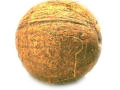
A fully mature coconut will be dark brown in color. Those with a lighter brown have not yet reached their full ripeness but will still taste quite good. Coconut milk pressed from the lighter colored coconuts will not be as thick and creamy as the darker coconuts, but can lend itself to tasty soups and curries.

Gently tap the coconut evenly on all sides with light, continuous strikes until cracks begin to form.
A mature coconut, unopened, can be stored at room temperature for about three or four months. Once opened, fresh coconut can be stored in the refrigerator in a plastic bag for only a few days. Freeze the coconut for longer storage.
A medium-sized coconut will contain about 1 cup of coconut juice. When grated, the coconut will yield about 3 to 4 cups of coconut meat.
Buy a YOUNG COCONUT:
Young coconuts are still sold in the husk. You can recognize a young coconut by its pale, almost ivory color and by its conical shape at the top.
Look for these in the refrigerated section or produce section of some health food and Asian markets. If you’re surprised at how heavy they are, try pouring the coconut juice into a measuring cup–just make sure it’s a large measuring cup.

Three Young Coconuts
Young coconuts are valued for their juice, but the coconut meat inside, which is often sweeter than that of the mature coconut, is completely edible and has a softer, more delicate consistency than a mature coconut.
The very young coconut meat is almost jelly-like and can be eaten with a spoon. Store young coconuts in the refrigerator.
DRIED COCONUT: Coconut comes in dried forms as well as fresh. Most chain supermarkets have a sweetened variety only. Look for the unsweetened grated or shredded coconut meat in a health food market or Asian market. (See our Creamy Cake Coconut Recipe)
Both forms may also be found in the freezer in Asian groceries. Dried coconut can be kept at room temperature for several months if sealed in plastic bags.

Coconut Shavings Milk
COCONUT MILK: Notice that the total fat content can vary considerably from 2 grams to 17 grams. The cans with 2 grams of fat will be quite watery and taste diluted.
For good flavor, choose coconut milk with 8 to 9 grams of fat for its excellent consistency and richness in taste.
Those with the highest fat are actually coconut cream from the first pressing, which offers a thicker and creamier liquid.
Once opened, canned coconut milk must be stored in the refrigerator and will keep for only a few days. NEW!: Vitamin Filled Coconut Water (Click Here) OIL: Purchase only extra virgin coconut oil available in health food markets. Though it may be more expensive than the refined oil, its health benefits far outweigh the extra expense.
The refined coconut oil is hydrogenated during processing, while the extra virgin coconut oil contains no trans-fatty acids. https://cookycoconuts.com/buy-a-coconut